


发布时间: 2026/1/9
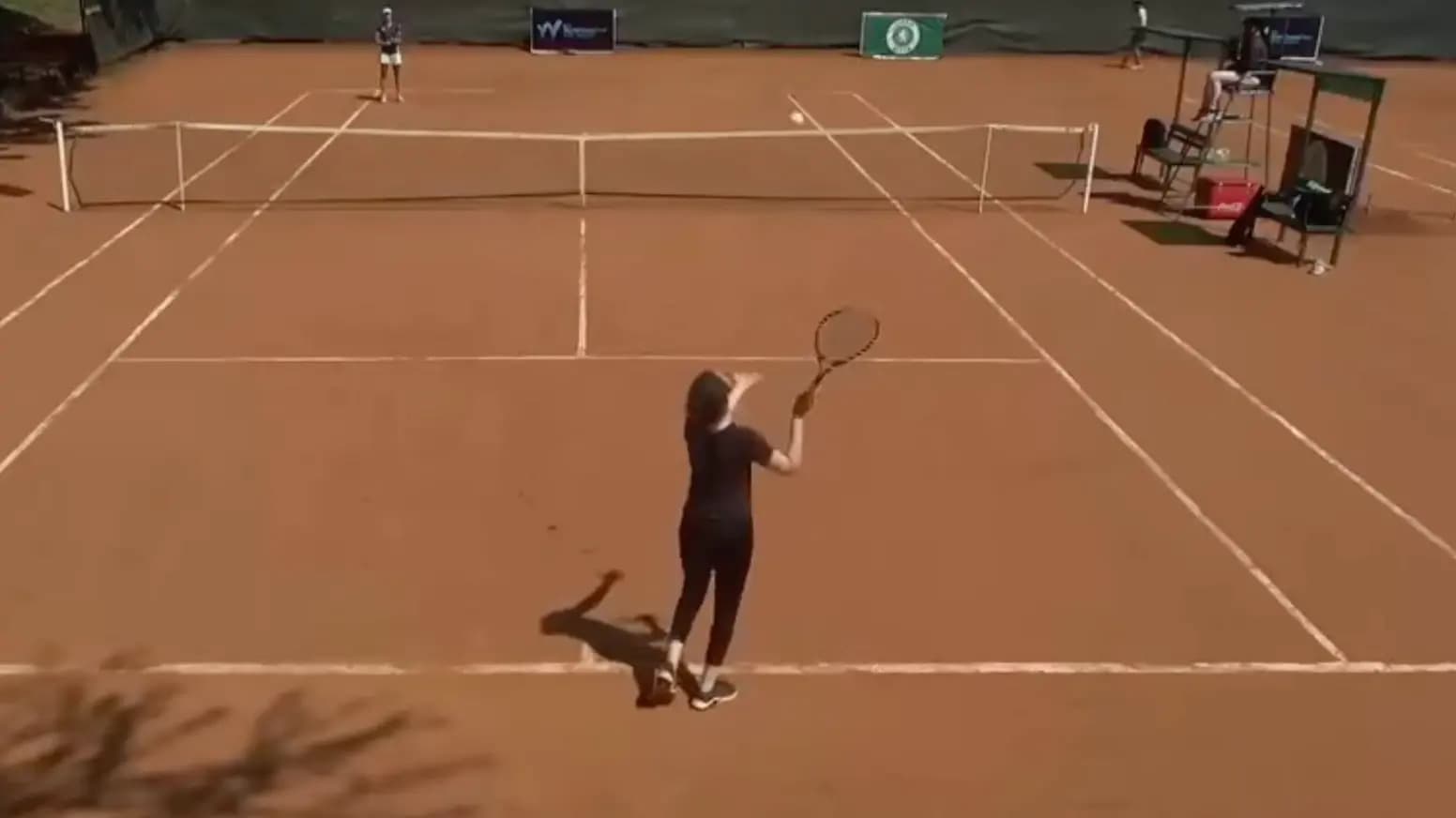
Hajar Abdelkader: A Late Entry to the Tennis World
According to the ITF website’s official biography of 21-year-old Egyptian player Hajar Abdelkader, she first picked up a tennis racket at the age of 14—much later than most aspiring professional players who begin training in early childhood. That delayed start has now become the center of a global sports controversy, thanks to a viral first-round match in Nairobi that’s sparked intense debate over wildcard selections in competitive tennis. If you’ve been scrolling through sports social media lately, you’ve probably seen the clips that have been shared thousands of times, with viewers divided between criticizing the tournament’s decision and sympathizing with the young player.
The Viral Nairobi Match That Stunned Tennis Fans
The footage comes from the ITF W35 Nairobi tournament, a stop on the professional women's tennis circuit hosted by Tennis Kenya, the governing body for the sport in the country. The match pitted Abdelkader, an amateur wildcard entry, against Germany’s Lorena Schaedel, who holds a global ranking of 1,026th. What unfolded over the 37-minute contest left viewers shocked and confused: Abdelkader lost 6-0, 6-0, serving a staggering 20 double faults and winning only three points in total. Those points didn’t come from her own skill, either—two were double faults by Schaedel, and one was an unforced error from the bemused German opponent, who clearly didn’t expect such a one-sided matchup. Many online commenters questioned whether Abdelkader had ever played competitive tennis before, while others defended her for taking the chance to compete at a professional level.
Tournament Organisers Admit a Critical Mistake
As the footage spread across Twitter, TikTok, and other platforms, pressure mounted on Tennis Kenya to address the situation. Now, the organization has stepped forward to acknowledge their error in granting Abdelkader a wildcard. In an official statement, they confirmed that Abdelkader had applied for a wildcard spot, which was approved at the last minute after another player withdrew from the tournament. Their initial goal, they explained, was to maintain a balance of players and nations represented in the event—but in hindsight, they admitted that she never should have been allowed to compete against professional talent. They recognized that the gap in skill was far too wide, leading to an unfair contest for both players and a disappointing viewing experience for fans.
Support for Both Players Amid the Backlash
Tennis Kenya also revealed that they’ve reached out to both Abdelkader and Schaedel to offer their support, given the intense global attention and scrutiny the match has received. For Abdelkader, the public spotlight has been overwhelming; many online critics mocked her performance, while some praised her for having the courage to step onto a professional court. For Schaedel, the situation was equally awkward, as she found herself in the unexpected position of dominating an opponent who clearly wasn’t ready for the level of competition. Viewers sympathized with her, noting that she appeared bemused and uncomfortable throughout the match.
Egyptian Tennis Federation Distances Itself from the Controversy
Adding another layer to the story, the Egyptian Tennis Federation told the BBC that Abdelkader is not registered with their organization and was not representing Egypt in the tournament. Technical director Dia Nabil Loutfy clarified that the player had previously resided in Kenya and secured the wildcard through Tennis Kenya alone, with no involvement from the Egyptian federation. They also stated they have no records of Abdelkader being affiliated with their tennis programs, nor did they play any role in her nomination or approval for the wildcard. This statement helped to clarify that the decision to grant the wildcard was solely made by Tennis Kenya.
A Commitment to Fixing the Wildcard Process
Tennis Kenya closed their statement by emphasizing their dedication to fairness, transparency, and the integrity of competition—values that are crucial to maintaining trust in tennis tournaments at all levels. They also promised that this "extremely rare occurrence" will never happen again, saying they’ve taken note of the experience and will revise their wildcard selection processes to avoid similar missteps in the future. The incident has sparked broader conversations about the ethics of wildcard entries in ITF tournament events, forcing sports organizations to reevaluate how they balance inclusivity with competitive fairness for all participants.