


发布时间: 2026/1/9

Getty Images
Shocking Weight Regain Risks of Popular Weight-Loss Jabs
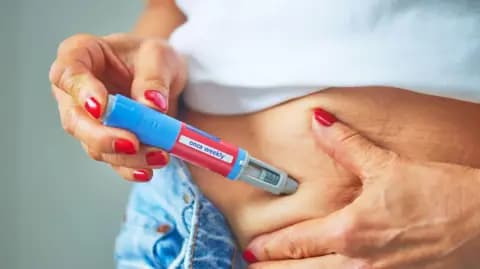
If you’ve turned to blockbuster weight-loss injections like Mounjaro or Wegovy to shed those extra pounds, you might want to sit down for this new research. A study published in the British Medical Journal has found that when users stop these GLP-1-based jabs, they regain their lost weight four times faster than people who quit traditional dieting and exercise routines. That’s a huge red flag for anyone considering or currently using these treatments, as the rapid rebound can feel like a devastating setback after all the progress made.
The data from the research paints a clear, worrying picture: overweight individuals using these injections lose an impressive amount of weight—around one-fifth of their total body weight—on average during treatment. But once they stop the jabs, the scale starts creeping back up quickly. On average, they regain 0.8 kg every single month. Do the math, and that means most people will be back to their pre-treatment weight in just a year and a half. That’s a massive reversal after investing time, money, and hope into these medications.
Dr. Susan Jebb, an investigator from Oxford University, is sounding the alarm loudly. She warns, “People buying these need to be aware of the risk of fast weight regain when the treatment ends.” It’s crucial for anyone considering these jabs to go into it with their eyes wide open, understanding that the weight loss isn’t necessarily permanent unless paired with long-term lifestyle changes. Dr. Jebb also noted that these findings come from clinical trials, not real-world scenarios, so more long-term studies on these new slimming jabs are needed to fully understand their effects and how people respond to them outside a controlled setting.
How Injections Compare to Traditional Weight Loss Methods
The research team analyzed 37 different studies involving over 9,000 patients to compare the effectiveness and aftermath of these popular weight-loss jabs against conventional dieting, exercise, or other weight-loss pills. Only eight of these studies focused on the newer GLP-1 drugs like Wegovy and Mounjaro, and the maximum follow-up period after stopping treatment was one year, so the numbers are still estimates. But even with that limitation, the results are stark and impossible to ignore.
In contrast, people who lose weight through traditional diet and exercise might shed less total weight initially, but when they stop their routine, their weight creeps back at a much slower pace—around 0.1 kg per month, though this varies from person to person based on factors like metabolism and prior habits. That’s a massive difference compared to the 0.8 kg monthly regain from injection users. This shows that while jabs offer quick, dramatic results, the lack of sustainable lifestyle changes leads to far faster weight regain once the medication is no longer in play.
Expert Insights on the Science Behind Rapid Regain
Dr. Adam Collins, a nutrition expert at the University of Surrey, breaks down why this rapid weight regain happens. These GLP-1 injections mimic a natural hormone that regulates hunger and fullness in the body. When you take these drugs for a long time, your body might start producing less of its own GLP-1 hormone, and you could become less sensitive to its effects over time. While this isn’t a problem when you’re actively on the medication, once you stop taking the jabs, your appetite is no longer kept in check, making overeating and weight gain much more likely.
Going cold turkey on these injections is incredibly challenging, especially if you’ve relied solely on the jabs to suppress your appetite without building healthy eating or exercise habits. Dr. Collins points out that if you don’t establish those long-term behavioral changes while using the medication, the weight will come back quickly once the drug’s effects wear off. It’s a stark reminder that these injections shouldn’t be seen as a magic bullet—they need to be paired with sustainable lifestyle adjustments to keep the weight off for good.
Prevalence of Weight-Loss Jabs in the UK
According to recent surveys by Cancer Research UK, around 1.6 million UK adults have used these weight-loss injections in the past year, mostly through private prescriptions rather than the NHS. An additional 3.3 million people say they’d be interested in using these “skinny jabs” over the next year, meaning one in 10 adults in the UK has either tried them or wants to give them a go. Use is twice as common among women as men, and the treatments are most popular among people in their 40s and 50s, who may face more challenges with traditional weight loss methods.
NHS Guidelines and Pharmaceutical Company Responses
The NHS only recommends these jabs for people who are overweight with obesity-related health risks, not for those who just want to slim down a bit for cosmetic reasons. Doctors also emphasize that these treatments should always be paired with lifestyle changes like healthy eating and regular exercise to maintain any weight loss achieved. Many experts argue that the treatment should be considered lifelong to avoid rapid weight regain, but currently, NHS prescriptions for Wegovy are limited to a maximum of two years, while there’s no specified time limit for Mounjaro prescriptions.
Pharmaceutical companies have responded to the research findings. A spokeswoman for Eli Lilly, which makes Mounjaro, said that using weight-loss drugs should always be accompanied by healthy eating, physical activity, and ongoing medical follow-up. She added that weight regain after stopping treatment reflects the chronic nature of obesity itself, not a lack of effort from the patient. Novo Nordisk, the maker of Wegovy, echoed this sentiment, stating that obesity is a chronic condition, so ongoing treatment is necessary to maintain weight loss and overall health, similar to managing long-term conditions like diabetes or hypertension.
The Chronic Nature of Obesity and Long-Term Treatment Benefits
Prof. Naveed Sattar from Glasgow University notes that these jabs can offer some important health benefits even with short-term use. Losing weight quickly for two to three years could help slow damage to joints, the heart, or kidneys, though more long-term trials are needed to confirm these potential benefits. He also points out that continuing to use these medications for three to four years helps people maintain significantly lower weight compared to lifestyle-induced weight loss, where many people regain weight over time as old habits creep back in.
It’s clear that these weight-loss injections are a double-edged sword. They offer fast, impressive results for those struggling with obesity and related health issues, but the risk of rapid weight regain is high without proper, sustained lifestyle changes. As more people turn to these treatments, it’s essential to understand the long-term implications and work closely with healthcare providers to create a holistic plan that includes both medication and healthy, sustainable habits to keep the weight off for good.