


发布时间: 2026/1/9


Holly’s Life-Altering Bowel Cancer Diagnosis at 23
Imagine being a bright, 23-year-old actress with your whole career ahead of you, only to have your world shattered by an advanced bowel cancer diagnosis. That’s the reality Holly faced, a story that’s becoming far too common among young adults today. At first, her persistent bloating and unexplained weight loss were brushed off as irritable bowel syndrome, a common misdiagnosis that delayed her care until she became so severely ill she ended up in the emergency room.
The aggressive treatment that followed turned her life upside down—chemotherapy took a toll she never expected, leaving her with lasting physical and emotional scars. Now 27 and cancer-free for over three years, Holly is planning her wedding, but she still has days where grief and anger hit hard. “It all feels so unfair,” she admits. “I still find myself screaming and crying, wondering why this happened to me.” Her story isn’t unique; it’s a stark example of a growing global crisis.
The Alarming Surge in Youth Bowel Cancer Rates
Bowel cancer has long been considered a disease of older adults, but that’s rapidly changing. Around the world, rates in young people are skyrocketing, and scientists are scrambling to figure out why. In the UK alone, rates have jumped a shocking 75% in under-24s since the early 1990s, and 51% in those aged 25 to 49. This isn’t a local trend—it’s a global phenomenon, leaving medical experts puzzled and concerned for the next generation.
St Mark’s Historic Archive: A Treasure Trove of Clues
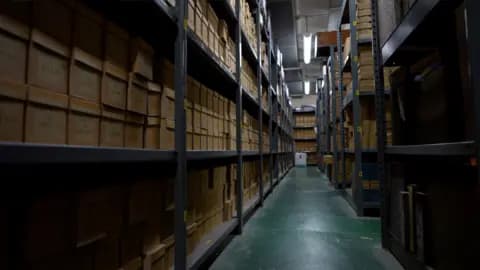
Deep in the basement of St Mark’s The National Bowel Hospital, there’s a one-of-a-kind collection that could hold the key to solving this mystery: tens of thousands of archived bowel cancer samples, some preserved for over a century. These samples aren’t just old jars—they’re time capsules, each carrying the genetic story of a patient’s cancer and the era they lived in. Now, researchers are finally able to use advanced scientific tools to unlock their secrets.
This archive is truly unparalleled, containing a sample from every bowel cancer patient treated at the hospital over decades. Dr Kevin Monahan, a consultant gastroenterologist at St Mark’s, calls it a “unique resource probably anywhere in the world” for understanding the rise in youth bowel cancer. For the first time, researchers can compare samples from the 1920s to today, tracking changes in cancer signatures that might reveal the root cause of this surge.
Cutting-Edge DNA Analysis Uncovers Hidden Clues
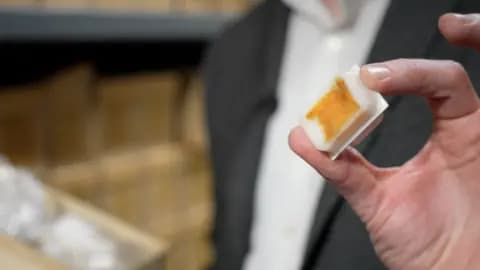
The samples, preserved in paraffin wax, are being sent to the Institute of Cancer Research (ICR) for detailed molecular analysis—a process that was impossible just a few years ago. Different cancer causes leave distinct “signatures” in the DNA of cancer cells, and by tracking how these signatures have changed over time, researchers can pinpoint potential triggers.
Dr Monahan emphasizes the urgency of this work: “Bowel cancer in people under 50 is increasing worldwide, including in the UK, and it’s becoming more and more of a problem. We need to develop ways that we can prevent these cancers effectively.” The team hopes that by identifying the specific changes that lead to cancer in young people, they can create targeted screening tools and prevention strategies before it’s too late.
The E. coli Hypothesis: A Leading Theory
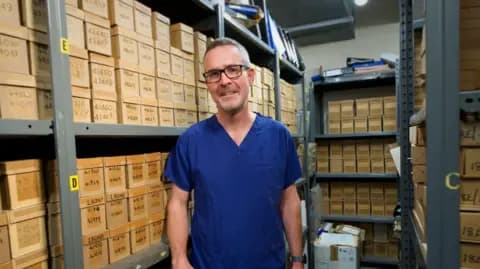
One of the most promising theories comes from Prof Trevor Graham at the ICR, who suspects a particular strain of E. coli bacteria might be to blame. “Our leading idea is that there’s a particular kind of E. coli that lives in the bowels of young people today that wasn’t there in the past,” he explains. These bacteria are thought to release toxins that damage bowel tissue DNA, eventually turning cells cancerous.
But this raises another question: why is this strain now so common? Graham and his team are using the historic samples to test this theory, looking for the DNA signature of these “bad bugs” in samples from different eras. If their hypothesis is correct, they’ll see the signature was rare in the past and becomes increasingly common in more recent samples. “If these so-called bad bugs are causing the increase, we should see the damage they leave was rare in the past,” Graham says. “And the archives are a real treasure trove— I think the answer might be in this room.”

While there are other potential causes on the table—from obesity and ultra-processed foods to air pollution and microplastics—this research could finally provide the concrete answers needed to tackle this growing public health crisis. For patients like Holly, this research isn’t just about science; it’s about preventing other young people from facing the same trauma she did.