


发布时间: 2026/1/9

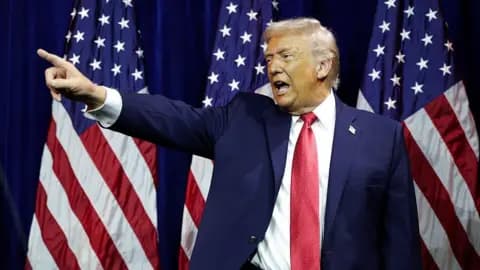
Trump Admin Pulls US From 66 Global Organizations, Targeting Climate-Focused UN Bodies
If you’ve followed former U.S. President Donald Trump’s approach to global affairs, you know his administration wasn’t afraid to upend longstanding international alliances. In one of his most sweeping policy moves, Trump officially withdrew the United States from 66 international organizations—a list that includes dozens focused on combating climate change, with nearly half being core bodies of the United Nations. This decision sent shockwaves through diplomatic circles, particularly among groups working to address global warming and other shared global challenges.
Key UN Climate and Multilateral Entities on the Exit List
At the top of the withdrawal list is the UN Framework Convention on Climate Change (UNFCCC), the foundational treaty that underpins every international effort to fight global warming. This isn’t just a minor break from global cooperation; the UNFCCC is the backbone of agreements like the Paris Climate Accords, which bring nations together to cut emissions and adapt to rising temperatures. Also targeted was the UN’s Intergovernmental Panel on Climate Change (IPCC), the independent expert body that provides the world’s most authoritative assessments of climate science. Beyond climate groups, the list includes UN organizations focused on peace and democracy, family planning, maternal and child health, and addressing sexual violence in conflict zones.
White House’s Rationale: Taxpayer Waste and Misaligned Agendas
The White House defended the move with strong language, claiming these organizations “no longer serve American interests” and promote “ineffective or hostile agendas.” The decision came after a internal review that labeled U.S. membership in these groups a “waste of taxpayer dollars.” In a formal statement, the administration said, “These withdrawals will end American taxpayer funding and involvement in entities that advance globalist agendas over US priorities.” It went on to criticize many of the organizations for pushing “radical climate policies, global governance and ideological programs that conflict with US sovereignty and economic strength.”
Context: Trump’s Longstanding Skepticism of Multilateralism and Climate Science
This withdrawal wasn’t an isolated act. For years, Trump had been cutting funding to multilateral organizations he disagreed with, and he repeatedly rejected the overwhelming scientific consensus on man-made climate change, infamously calling it a “hoax.” Just a year before these 66 withdrawals, he had already pulled the U.S. out of the Paris Climate Agreement—the world’s most comprehensive plan to tackle global warming—and declined to send a U.S. delegation to the COP30 climate summit in Brazil. The memorandum formalizing the latest exits was signed on Wednesday, wrapping up a months-long review the White House said was focused on eliminating wasteful spending.
Legal Uncertainty and Backlash From Scientists
There’s significant legal uncertainty surrounding these withdrawals. The U.S. Constitution clearly states that presidents can join international treaties only if two-thirds of the Senate approves, but it says nothing about the process for withdrawing from them. This means Trump’s decisions could face legal challenges from critics who argue he overstepped his executive authority.
Scientists and advocacy groups were quick to condemn the move. A representative from the Union of Concerned Scientists called it a “new low” for U.S. global leadership. Rachel Cleetus, the group’s senior policy director, told AFP news agency that the administration—which she described as “authoritarian” and “anti-science”—was determined to sacrifice people’s well-being and destabilize critical global cooperation on issues like climate change. Critics warn that pulling out of these organizations will weaken U.S. influence on the world stage and set back progress on some of the most pressing challenges facing humanity.